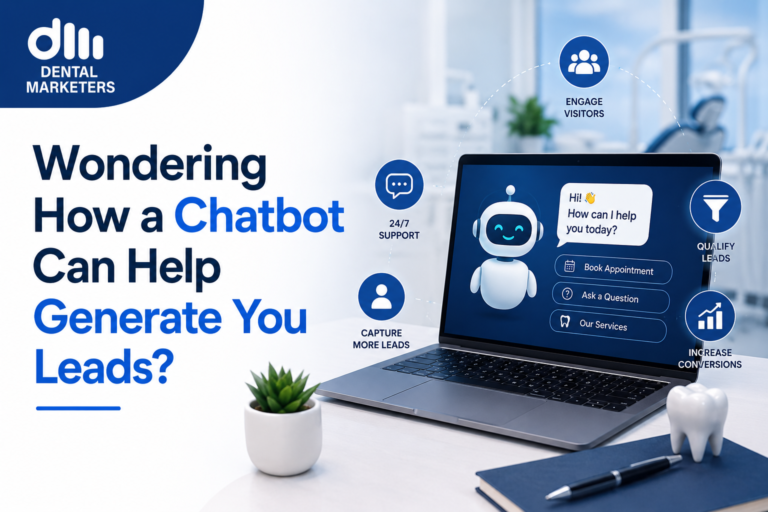
A chatbot helps generate leads by talking to website visitors right away, answering their questions, and collecting their contact details. It works day and night, so no visitor is ever left waiting. As a result, more visitors turn into real leads for your business.
Most website visitors leave without saying a word. That is a real problem for growing businesses. A chatbot fixes this by starting a friendly chat the moment someone lands on your site. It asks simple questions, gives quick answers, and gathers contact details along the way. In short, a chatbot turns quiet visitors into active leads.
What Is a Lead Generation Chatbot?
A lead generation chatbot is a small piece of software that lives on your website. It chats with visitors in real time, just like a helpful team member would. Instead of filling in a long form, a visitor can simply type a question and get an instant reply. Meanwhile, the chatbot quietly collects the visitor’s name, email, and needs for your sales team.
How Chatbots Help Generate Leads
A chatbot does far more than send a quick “hello.” It plays an active role at every stage of the buyer’s journey. Here is how it works, step by step.
It Greets Visitors Straight Away
First, the chatbot welcomes every visitor as soon as they arrive. This matters because people expect a fast response. Indeed, studies show that a five-minute delay can cut your chance of qualifying a lead by up to 80%. A chatbot removes that delay completely.
It Asks the Right Questions
Next, the chatbot asks a few simple questions. For example, it might ask what the visitor needs or what their timeline looks like. As a result, your team learns which visitors are serious buyers and which ones are just browsing.
It Collects Contact Details Naturally
After that, the chatbot gathers contact information through a normal conversation. This feels far easier than a long form. In fact, chatbots can boost conversions by up to four times compared with static forms, because people simply prefer to chat rather than type into empty boxes.
It Guides Visitors Toward Action
Finally, the chatbot points the visitor toward a clear next step. This could be booking a call, downloading a guide, or asking a follow-up question. Therefore, the visitor always knows what to do next, instead of clicking away confused.
Why Chatbots Matter for Modern Lead Generation
Today’s chatbots are smarter than ever. Many now use AI to understand natural language, not just fixed scripts. This means they can hold a real conversation, answer detailed questions, and still sound human. Consequently, visitors trust the chat more, and trust leads to better leads.
Furthermore, a chatbot works around the clock. Your team sleeps, but your website does not. So, a visitor who arrives at midnight still gets a warm welcome and a fast answer. This alone can capture leads that would otherwise disappear overnight.
Data is another major advantage. Every chat gives you fresh insight into what visitors actually ask, worry about, or want. Over time, this data helps you improve your website, refine your messaging, and close more sales. In other words, a chatbot is not just a lead tool. It is a source of ongoing business knowledge.
However, a chatbot works best as part of a wider plan to bring visitors to your site in the first place. Pairing it with Google Ads for dental practices can help drive more of the right visitors to your website, so your chatbot has more people to greet and more leads to capture.
However, chatbots do have limits. They work best for simple, common questions. Complex or sensitive queries should always be handed off to a real person. A good chatbot knows when to step aside, and that honesty builds trust rather than breaking it.
Step-by-Step Guide: Setting Up a Lead Generation Chatbot
Setting up a chatbot does not need to be complicated. Follow these simple steps to get started.
Step 1: Define your goal. Decide what you want the chatbot to do. This might be booking calls, capturing emails, or answering common questions.
Step 2: Keep the flow simple. Write short, clear questions. Avoid asking too much information at once, since long chats tend to lose people quickly.
Step 3: Add strong calls to action. Guide the visitor toward one clear action, such as “Book a Call” or “Get a Free Quote.”
Step 4: Connect it to your systems. Link the chatbot to your email list or customer database. This way, every lead reaches your team automatically.
Step 5: Review and improve. Check the chat data every month. Use it to spot common questions and fix any gaps in your messaging.
Key Benefits of Using a Chatbot for Lead Generation
- Always available: A chatbot works 24 hours a day, so no lead is ever missed.
- Faster responses: Visitors get instant answers instead of waiting for an email reply.
- Better lead quality: Simple questions filter out visitors who are not ready to buy.
- Higher conversions: Chat feels easier than forms, so more people finish the process.
- Useful data: Every chat reveals what your visitors truly care about.
- Consistent messaging: A chatbot always gives the same accurate answer, every time.
- Lower workload: Your team spends less time chasing cold leads and more time closing warm ones.
Common Mistakes to Avoid
Even a good idea can go wrong without care. Avoid these common mistakes when using a chatbot for lead generation.
- Asking too many questions before offering any value.
- Sounding robotic instead of friendly and natural.
- Hiding the chat icon in a hard-to-find spot.
- Never checking the chat data for patterns or gaps.
By avoiding these mistakes, your chatbot will feel helpful rather than annoying, and visitors will be far more likely to engage.
Frequently Asked Questions
Does a chatbot really increase leads?
Yes. Chatbots respond instantly and guide visitors toward action, which often leads to more conversions than static contact forms.
Is a chatbot difficult to set up?
No. Most chatbots use simple, guided flows. A clear goal and a short question list are usually enough to start.
Can a chatbot replace a sales team?
No. A chatbot supports your sales team by filtering and preparing leads. However, real conversations still need a real person.
What information should a chatbot collect?
Typically, a chatbot collects a name, an email address, and one or two questions about the visitor’s needs.
Are chatbots safe for collecting personal data?
Yes, when set up correctly. A trustworthy chatbot always explains why it is asking for information and follows data protection rules.
Ready to Turn Your Website Visitors Into Leads?
A chatbot only works well when it is built with care and backed by a solid strategy. That is exactly where Dental Marketers comes in. Our team helps businesses design chatbots that greet visitors warmly, ask the right questions, and turn quiet browsing into real conversations. As a result, you spend less time chasing cold leads and more time speaking with people who are ready to buy.
If you are ready to see how a well-built chatbot could work for your website, get in touch with Dental Marketers today. We can also help you drive more visitors to your site with our Google Ads for dental practices service, so your chatbot has a steady stream of visitors to turn into leads.