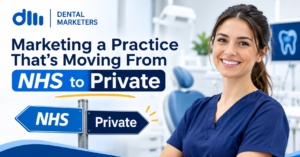
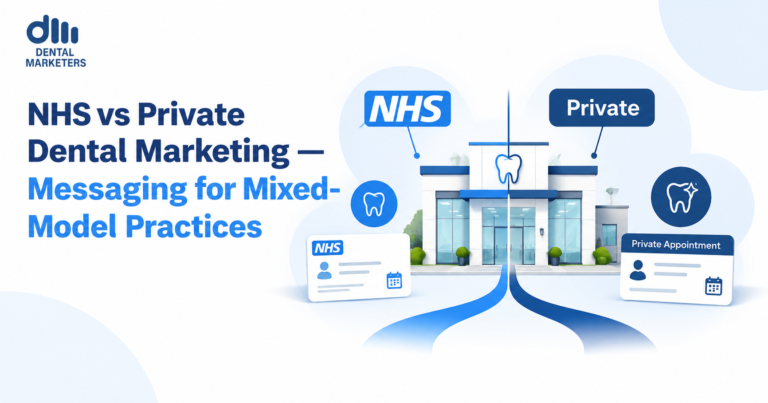
Many UK dental practices offer both NHS and private care. We call this a mixed-model practice. It sounds simple. However, marketing a mixed practice is hard. You need to speak to two groups of patients at once.
One group wants essential care at a fair cost. The other group wants more choice, more time and better-looking results. If your message is unclear, both groups get confused. NHS patients may feel pushed aside. Meanwhile, private patients may not see why they should pay more.
In this guide, we explain how to get the balance right. We cover positioning, your website, ads, local search and the rules you must follow. Above all, we show you how to talk to every patient with honesty and care.
What Is a Mixed-Model Dental Practice?
A mixed-model practice treats both NHS and private patients. Some practices do mostly NHS work and offer a few private extras. Others do mostly private work but keep a small NHS contract. Many sit somewhere in the middle.
Each model needs its own message. For example, a practice with a long NHS waiting list should not say “new NHS patients welcome”. Likewise, a mostly private practice should not hide its NHS offer if it still has one.
Your marketing must match what you can actually deliver. Otherwise, you lose trust quickly. So, start with an honest look at your diary, your contract and your team. Then build your message around the facts.
Why NHS vs Private Messaging Matters in 2026
The dental market is changing fast. From April 2026, many NHS contracts in England must include a set amount of urgent care. As a result, many practices have less free diary time. At the same time, private dentistry keeps growing. In fact, the Competition and Markets Authority (CMA) says private services made up around 69% of the UK dental market in 2025.
The CMA also began a study of private dentistry in March 2026. It looks at clear pricing and how easily patients can compare practices. So, open and honest messaging is no longer a nice extra. Instead, patients and regulators now expect it.
In short, practices that explain their NHS and private options clearly will win more trust. Equally, practices with vague or pushy messages will struggle.
The Biggest Messaging Mistakes Mixed Practices Make
Most practices make the same few mistakes. Here are the most common ones:
- Mixed signals on the homepage. The page shouts “Smile makeovers!” but also says “NHS dentist”. Patients cannot tell what you really offer.
- Hidden NHS details. NHS patients cannot find out if you take new patients. So, they phone the front desk again and again.
- Pushy private upsells. Staff push private options too hard. As a result, NHS patients feel judged.
- No clear prices. Patients cannot see private fees. Therefore, they leave and book elsewhere.
- One ad for everyone. A single Google Ads campaign targets both groups. Consequently, you pay for clicks that never turn into bookings.
The good news is that you can fix every one of these. Let’s look at how.
How to Position Your Practice Without Sounding Two-Tier
Positioning means how patients see your practice. The goal is simple. Every patient should feel welcome. At the same time, every patient should understand their choices.
Lead With Care, Not Price
Start with what every patient gets. For example, talk about your kind team, clean surgeries and modern equipment. These things apply to everyone. After that, explain that patients can choose NHS or private treatment.
Explain the Difference in Plain English
Many patients do not know what NHS care covers. So, tell them. NHS treatment covers what your dentist feels you need to keep your mouth healthy. Private care adds more choice. For instance, it may include longer visits, tooth-coloured fillings in more places or cosmetic options.
Keep it short and calm. Also, avoid long lists of rules. A simple side-by-side table works well on most websites.
Use “Choice” Language
Words matter a lot. Avoid phrases like “basic NHS care” or “premium private service”. These words make NHS patients feel second best. Instead, use phrases like “your options”, “choose what suits you” and “extra choices”. This keeps your tone fair and kind.
Structure Your Website for Both Patient Groups
Your website does most of the talking. Therefore, it needs a clear structure. Here is a simple layout that works for most mixed practices:
- A homepage that welcomes everyone. Mention both NHS and private care near the top. Add one clear button for each path.
- A dedicated NHS page. Show your current NHS status. Say if you take new adults, children only or no new patients. Update it often.
- A private fees page. List your main private prices. Add “from” prices where costs vary.
- Treatment pages. Explain what you offer on the NHS and what you offer privately for each treatment.
- A membership plan page. Show what the plan includes and what it costs each month.
- A finance page. Explain how patients can spread the cost of bigger treatments.
In addition, ask patients on your booking form whether they want NHS or private care. This small step saves your team time. It also helps you track where new patients come from.
Split Your Paid Ads and Local SEO
NHS and private patients search in different ways. So, your ads and local SEO should reflect that.
Google Ads
First, run separate campaigns for NHS and private treatment. Only bid on searches like “NHS dentist near me” if you truly have space. Otherwise, you waste money and annoy people.
Next, focus most private budget on high-value treatments. For example, target searches for dental implants, clear aligners, whitening and veneers. Then send each ad to its own landing page.
Google Business Profile
Your Google Business Profile often comes before your website. So, list both NHS and private services on it. Use posts to share updates on NHS availability. Also, reply to every review in a warm and helpful way.
Local Keywords
Use local words on your pages. For example, add your town name to your main treatment pages. Similarly, create helpful content that answers local questions. This approach helps both Google and AI search tools understand what you offer.
Stay Compliant With GDC and ASA Rules
Dental marketing has strict rules. You must follow them, whatever your NHS and private mix.
- Be honest. The GDC expects all your marketing to be clear, true and not misleading.
- Use titles carefully. Only dentists on the GDC specialist list can call themselves specialists.
- Avoid big claims. Do not say “best dentist in town” or “100% painless” unless you can prove it.
- Show clear prices. The ASA’s CAP Code says your price claims must be accurate and not misleading.
- Never pressure NHS patients. Patients should always know what treatment they can get on the NHS. Then they can choose freely.
- Give written plans. Show patients which parts of a plan are NHS and which are private.
On top of this, check every ad, social post and email before it goes live. A short checklist helps your team stay safe.
Turn NHS Patients Into Loyal Private Patients — the Right Way
Many practices want more private income. That is fine. However, you must earn it through trust, not pressure.
Start by teaching patients about their options. For example, share simple guides on whitening, hygiene visits and clear aligners. Next, use email newsletters to show what is possible. Then let patients ask questions in their own time.
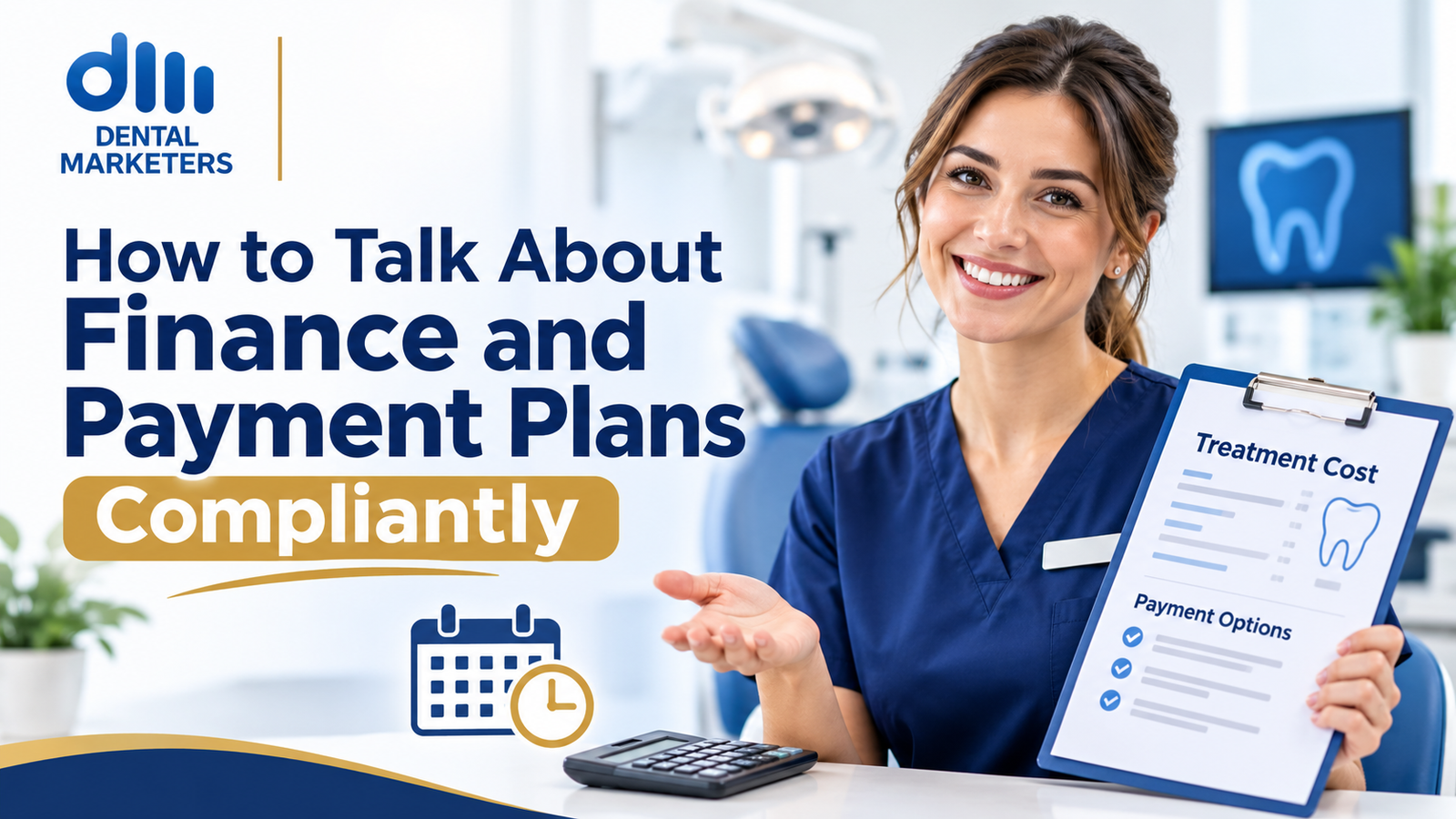
Membership plans also work well. They help patients spread costs and visit more often. Similarly, finance options make bigger treatments easier to afford. Above all, always keep the NHS option open. When patients feel free to choose, many choose to stay with you for years.
Track What Works
Good marketing needs good tracking. So, measure your NHS and private results separately. Track these key numbers each month:
- Phone calls and form fills for each patient type
- New bookings for NHS and private care
- Cost per private enquiry from your ads
- New Google reviews
- Visits to your fees and finance pages
Then compare the numbers each month. If one channel brings poor results, change it. Small, steady changes add up over time.
Frequently Asked Questions
Can a mixed practice advertise NHS services?
Yes, you can. However, only advertise NHS care if you have space for new patients. Otherwise, update your website and Google profile to show your current status.
Should NHS and private patients see different websites?
No. One website works best. Just give each patient group clear pages and clear buttons.
How can I promote private care to NHS patients without pressure?
Teach, don’t push. Share helpful guides and let patients ask questions. Always explain their NHS option too.
Should I show private prices online?
Yes, in most cases. Clear prices build trust. They also help you meet growing calls for open pricing.
Get Clear, Compliant Messaging With Dental Marketers
Getting your NHS and private messaging right takes time and skill. Fortunately, you do not have to do it alone. At Dental Marketers, we help mixed-model practices across the UK speak clearly to every patient.
We build websites, ads and local SEO plans that fit your real NHS and private mix. Above all, we keep every message honest, fair and compliant. So, if you want more of the right patients, contact Dental Marketers today. Let’s build a message your patients trust.