
The Tools You Need for Dental Practice Success
Running a successful dental practice in 2026 goes well beyond providing excellent patient care. It’s about understanding how patients discover you online, how they perceive your practice, and ultimately how they choose you over competitors. A strong digital presence grounded in smart dental keyword research and SEO is one of the core tools for dental practice success today.
Why Keyword Research for Dentists Matters
Keyword research forms the backbone of your online marketing strategy. It helps you understand how potential patients are searching for dental services, what questions they’re asking, and what kind of language they use. When you align your content with these insights, you not only attract more visitors to your website but also build trust and credibility in your local area.
Step 1: Understand Search Intent Like a Pro
Before diving into keyword tools, focus on understanding why people are searching. Are they looking for emergency dental care, cosmetic procedures, or general family dentistry? Match your content’s purpose to a user’s intent—informational, navigational, or transactional. For example, an article about “what to do when you have a chipped tooth” fulfils an informational intent, whereas “best emergency dentist near me” fulfills a transactional one.
Step 2: Use Keyword Research Tools (They’re Friendlier Than You Think)
Tools like Google Keyword Planner, Ahrefs, or Ubersuggest can simplify keyword discovery. Filter by local search volume, competition, and cost-per-click data to identify opportunities. Start with seed terms such as “dentist in [your city]” or “teeth whitening cost” and expand into related phrases patients may use. Pay attention to questions or “near me” phrases, as they often convert strongly in the dental sector.
What Is Dental SEO and How Does It Work?
Step 3: Think Local—Because Patients Aren’t Flying Across the Country
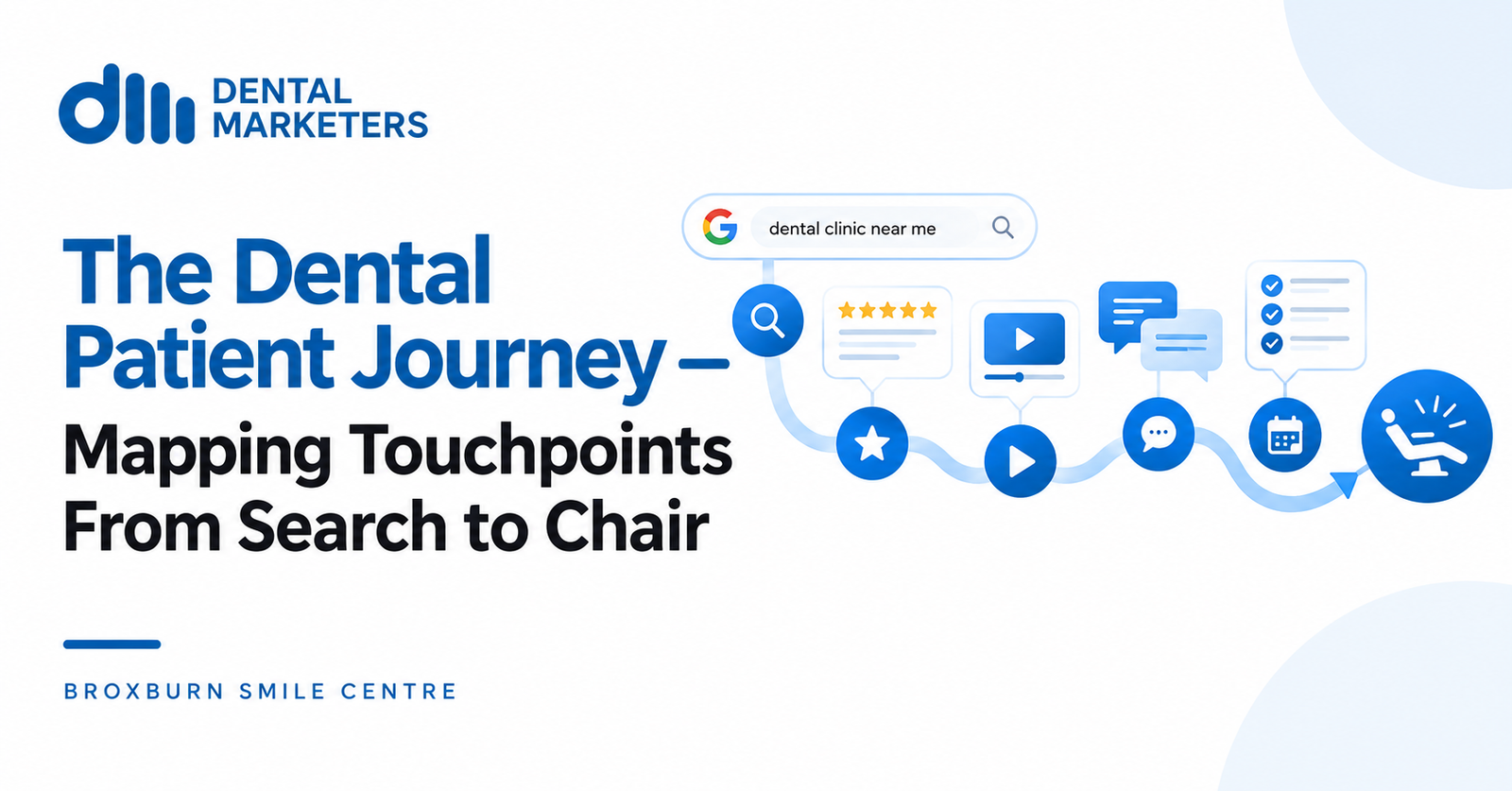
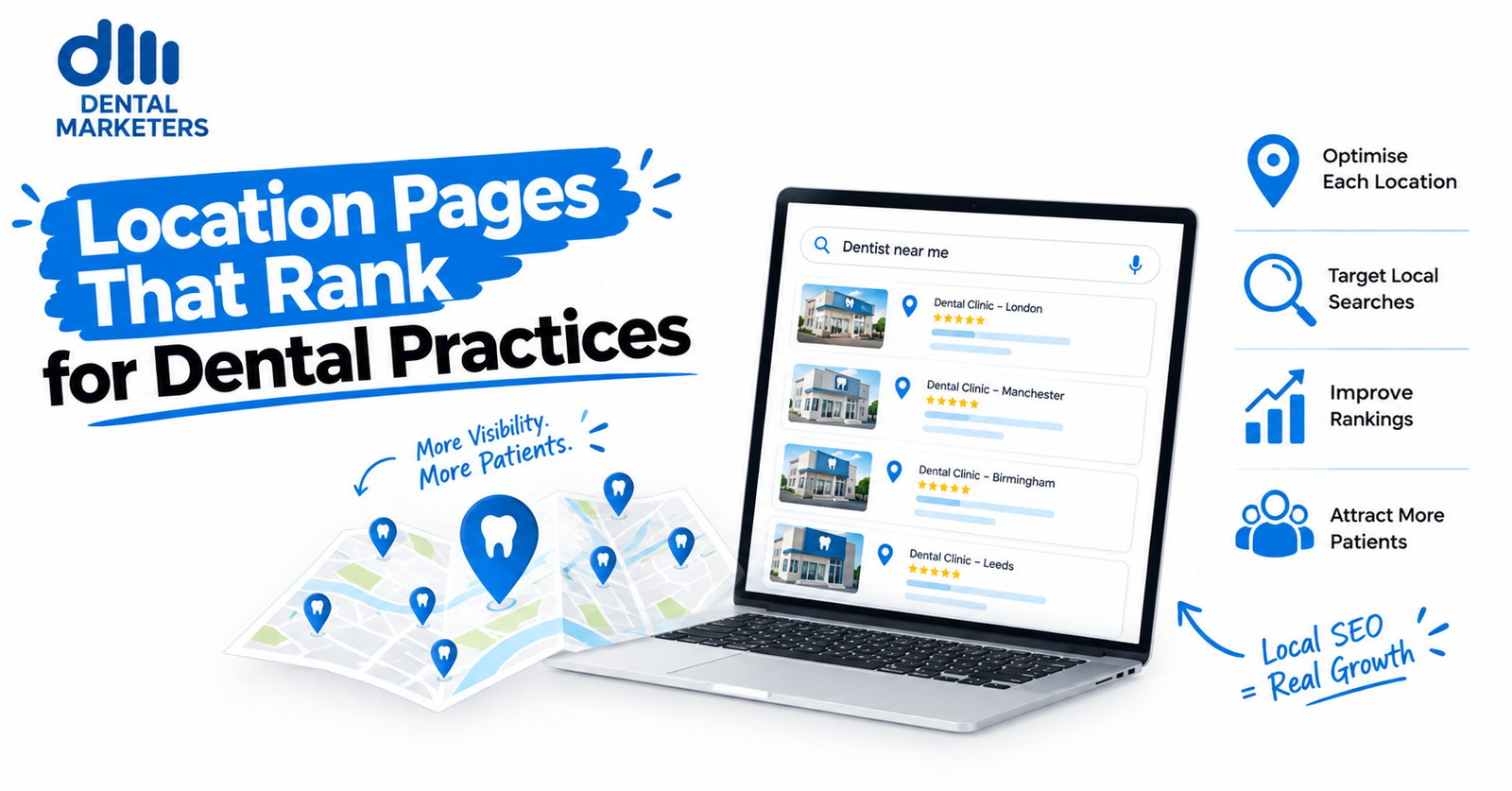
For dental practices, local SEO is crucial. Optimise your Google Business Profile with accurate NAP (Name, Address, and Phone) information. Ensure your website’s metadata and page content include city-specific keywords. Encourage patients to leave reviews as they influence local SEO rankings. Local content—such as blogs about community events or local dental health trends—can further cement your local authority.
Step 4: Don’t Ignore Long Tail Keywords
Long tail keywords—phrases of three or more words—are less competitive and often represent specific search intent. For instance, instead of targeting broad terms like “dentist,” aim for “affordable dental implants in [your area].” These phrases attract qualified leads ready to book an appointment rather than just browse. Strategically incorporating long tail keywords into your content gives you a competitive advantage without overspending on ads.
Step 5: Check Out the Competition (And Learn from Them)
Analyse what your competitors are doing well online. Evaluate their top-ranking pages and see which keywords they’re targeting. Identify gaps in their content that you can fill—perhaps informational guides they haven’t covered or more engaging ways to answer frequent patient queries. Adapting what works while improving upon it can fast-track your success.
Step 6: Build Content Around What Patients Are Actually Searching For
Design your content strategy based on search demand and patient interests. Develop service pages, blog posts, and FAQs around keywords patients actively use. Integrate visuals, infographics, and clear calls-to-action that encourage appointment bookings. Educational content such as “How to Prevent Gum Disease” or “What to Expect During a Root Canal” increases engagement and positions your practice as a trusted authority.
Step 7: Track Performance Like a Boss
After implementing your keyword strategy, monitor results carefully. Use tools like Google Analytics and Search Console to measure traffic growth, bounce rates, and keyword rankings. Adjust your strategy based on performance data—focus more on keywords driving enquiries and less on those that bring low-value traffic. SEO is an ongoing process; consistency and refinement are key to long-term success.
Best Keywords for Dental Clinics (Research Guide)
Common Mistakes to Avoid with Dental Keyword Research
Avoid focusing solely on high-volume keywords that are too competitive or irrelevant to your practice. Neglecting local modifiers or ignoring mobile optimisation can harm visibility. Also, stuffing pages with keywords without providing genuine value can backfire, reducing user satisfaction and search performance. Balance is everything—write for humans first, optimising naturally for search engines.
Bonus Tips to Boost Your SEO Game
- Update content regularly: Keep your dental blogs and service pages fresh and relevant.
- Optimise for voice search: Many people now use voice assistants to find local dentists.
- Leverage video content: Short educational videos can improve session length and engagement.
- Track patient feedback: Positive reviews enhance trust signals online.
- Ensure accessibility: A user-friendly website improves both experience and ranking potential.
The Bottom Line: Keyword Research Is How Dental Patients Find You
Attracting new patients is about understanding how they search and providing what they’re looking for. By blending local SEO, keyword research, and quality content creation, you’ll build visibility and credibility that last. When your digital strategy reflects the needs and habits of your community, your dental practice can thrive—both online and offline.
How Search Engines Rank Dental Websites
Call to Action: Ready to attract more patients and scale your dental practice? Start implementing these keyword research strategies today to strengthen your online presence and consistent patient growth.
FAQs
1. How often should I update my dental website’s keywords?
Review and refresh your keyword strategy every three to six months. Search trends evolve, and regular updates keep your content aligned with what patients are currently looking for.
2. What’s the best tool for dental keyword research?
Google Keyword Planner and Ahrefs are excellent choices. They provide insights into search volumes, competition levels, and related keyword suggestions tailored for your location.
3. How does local SEO differ from general SEO for dentists?
Local SEO focuses on improving visibility in a specific geographic area. It involves targeting keywords that include location, optimising Google Business Profiles, and encouraging local reviews.
4. Can I rank for multiple dental services at once?
Yes. Create a dedicated page for each service you offer. This allows you to optimise for distinct keywords and cater to specific patient needs while enhancing site structure.
5. Why is content marketing important for dental SEO?
High-quality content helps answer patient questions, builds trust, and signals to search engines that your site is a valuable resource. It increases engagement and leads to better rankings over time.