Why Optimising Dental and Orthodontic Service Pages Matters
What Makes a Service Page Rank
Top-ranking pages share several traits: strategic use of keywords, clear structure, relevant multimedia, localised information, and a great user experience. They not only satisfy search intent but also guide visitors toward booking a consultation. Balancing technical best practices with human-focused content is key to sustained performance.
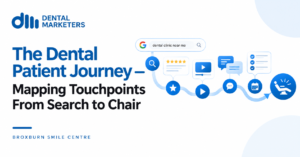
Understanding Landing Pages and Their Role in the Patient Journey
Every landing page should serve a specific objective — usually encouraging the visitor to take an action such as booking an appointment or requesting a consultation. The role of keyword optimisation here is critical, as it connects the patient’s needs to your particular solution. A well-optimised landing page enhances both visibility and conversion rates.
The Importance of Keyword Optimisation in Landing Page Efficiency
Strategic keyword placement ensures that your landing page aligns perfectly with what potential patients are searching for. Include search terms that convey intent, such as “orthodontic treatments near me” or “dental implants in [city name].” Integrate these naturally into headings, metadata, and image alt tags to remain compliant with modern SEO standards.
How to Optimise Dental Service Pages for Keywords
Begin with in-depth keyword research centred around intent-driven terms. Consider how potential patients search — symptom-based (“fix crooked teeth”) or service-based (“teeth straightening options”). Build your pages with this linguistic understanding. Ensure your primary keyword features in the title, introduction, and conclusion while sprinkling variations throughout your text naturally.
Pro Tip: Add Local Context to Each Page
Local SEO is the foundation of success for dental and orthodontic practices. Include precise location references, such as neighbourhood names and nearby landmarks, to help search engines connect your practice to geographic intent. Maintaining consistency in your business name, address, and phone number across all listings reinforces trust and ranking potential.
Craft Dedicated Pages for Each Service
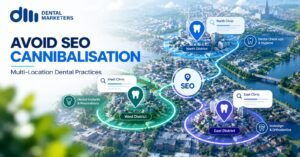
Each dental or orthodontic treatment deserves its own optimised page. For instance, separate landing pages for dental implants, braces, and Invisalign provide clarity to both users and search engines. This strategy prevents keyword cannibalisation and allows for targeted content tailored to each treatment’s patient journey.
Make Your Copy Emotionally Resonant
Choosing a treatment like dental implants or orthodontic braces can be deeply personal. Write copy that addresses concerns, offers reassurance, and highlights the emotional benefit of the treatment — increased confidence, comfort, or convenience. Patients connect with authenticity more than technical jargon.
Focus on Local SEO Elements
Optimise your Google Business Profile with complete information, quality images, and patient reviews. Use location-based schema and NAP consistency to verify your presence across directories. Encourage satisfied patients to leave reviews and respond promptly to them — reviews influence both click-throughs and trust scores.
Use Visual Proof and Trust-Building Elements
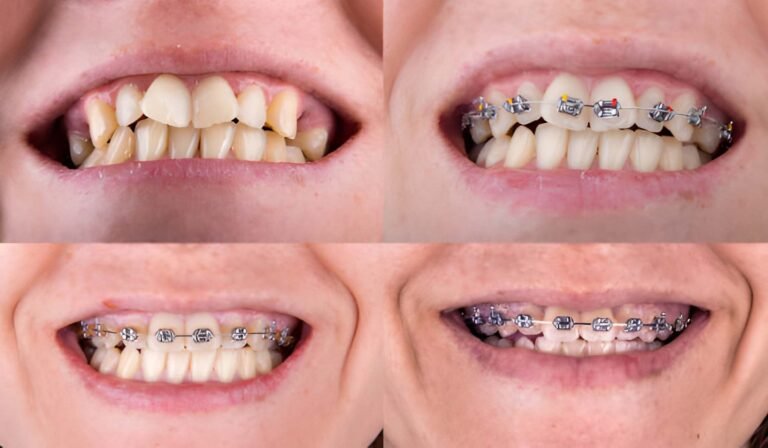
Incorporate before-and-after galleries, team photos, and accreditation badges to strengthen credibility. Visual proof humanises your practice, showing real results and happy patients. This not only converts potential patients but also increases on-page dwell time, signalling relevance to search engines.
Optimise Page Speed and User Experience
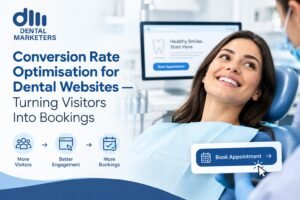
Slow-loading pages reduce engagement and rankings. Compress images, enable caching, and design for mobile devices first. Clear navigation, strong calls-to-action, and logical page flow make it easier for visitors to find what they need — whether booking an appointment or learning about treatments.
Track Performance and Iterate
SEO is an ongoing process. Monitor traffic, engagement, and conversions using analytics tools. Track key performance indicators like click-through rates, local search impressions, and appointment sign-ups. Use these insights to adjust your keyword focus or content layout for continuous improvement.
Essential SEO Strategies for Orthodontists
Orthodontic SEO shares many principles with general dental SEO but requires deeper location targeting and educational content. Provide blog posts addressing common patient concerns, highlight advanced technologies, and ensure every treatment page features FAQs that directly answer prospective patient queries.
On-Page SEO Essentials
Use descriptive meta titles, concise descriptions, and logical heading structures. Incorporate patient-friendly terminology, linking where relevant to internal educational resources within your site structure.
Technical SEO Foundations
Ensure your website is secure (HTTPS), mobile-friendly, and properly indexed. Create an XML sitemap and fix broken links. Include structured data for reviews, services, and locations to improve how your pages display in search results.
Local SEO for Orthodontists
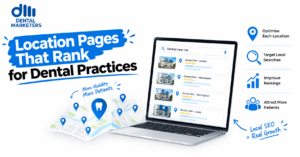
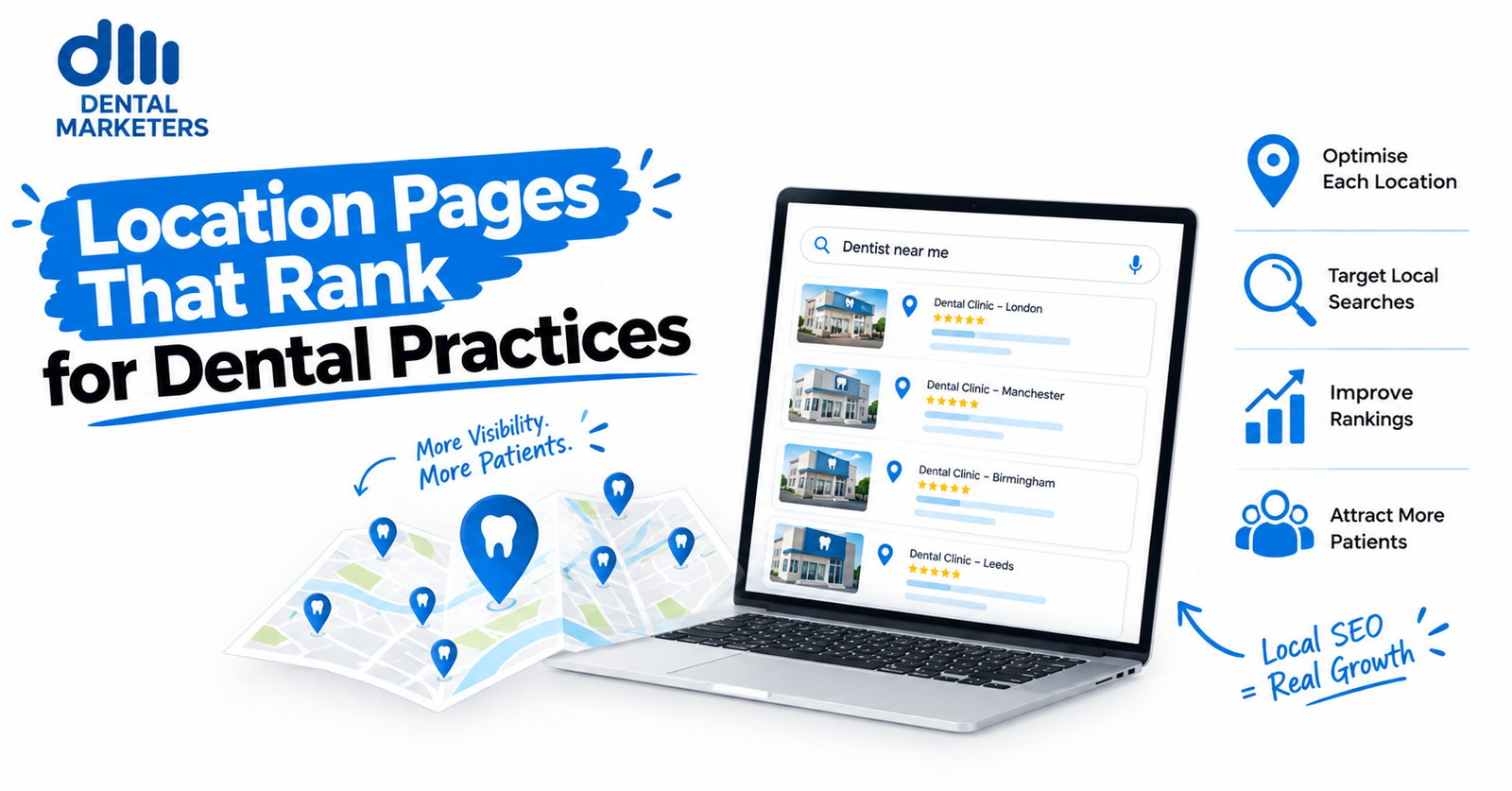
Location-based ranking signals are paramount. Keep your Google Business Profile optimised with regular updates, ensure consistent NAP information, and encourage local community engagement through reviews and feedback. Publish city-specific landing pages to target multiple service areas effectively.
Common Mistakes on Dental and Orthodontic Service Pages
- Using duplicate or thin content across multiple locations.
- Neglecting mobile responsiveness.
- Failing to include emotional or benefit-led copy.
- Ignoring local search opportunities.
- Providing outdated or incomplete information.
Overcoming Common Objections to SEO
Some practitioners hesitate to invest in SEO due to cost or time concerns. However, SEO offers a long-term return by continuously generating leads. Unlike paid ads, organic visibility compounds over time, lowering cost per acquisition as rankings stabilise. Even small, consistent actions like updating content or maintaining your local profile make a measurable difference.
Key Takeaways
- Every service page should match a precise patient intent and location signal.
- Build trust with visuals, testimonials, and transparent information.
- Optimise for speed, mobile use, and keyword relevance.
- Focus on continuous improvement through analytics.
- Integrate emotional storytelling to connect with potential patients.
Conclusion: Turn Every Page Into a Patient Magnet
FAQs
How often should I update my dental service pages?
Review and refresh your service pages every six to twelve months to ensure your content, keywords, and patient information remain accurate and competitive.
What’s the difference between a landing page and a service page?
A landing page is designed for a specific marketing campaign or conversion goal, whereas a service page provides comprehensive information about a treatment offered by your practice.
Are patient testimonials useful for SEO?
Yes. Authentic testimonials and case studies improve user trust and add valuable semantic content that benefits both conversion rates and search visibility.
How important is local SEO for dentists and orthodontists?
Local SEO is crucial — most patients search for nearby practices. Optimising your Google Business Profile and maintaining consistent NAP details ensure you appear prominently in local results.
Can I manage SEO on my own or should I hire an expert?
While basic optimisations can be handled in-house, achieving long-term growth usually benefits from the expertise of an SEO professional who understands both dental marketing and technical optimisation.